



Green IT
Computer and IT infrastructures have always accounted for a significant portion of energy consumption. This generates costs and leaves a carbon footprint. Reducing costs is just as important to us as reducing our carbon footprint!
Many manufacturers, such as Fujitsu, have therefore focused on optimizing their products for decades. The key phrase here is "Green IT."
According to Microsoft, its Azure cloud products are already CO2 neutral.
Our contribution
With a photovoltaic system and battery storage, we have a workplace in Burgenland that is powered by 80% renewable solar energy and is therefore largely energy self-sufficient. This also powers parts of our infrastructure and services for our customers.
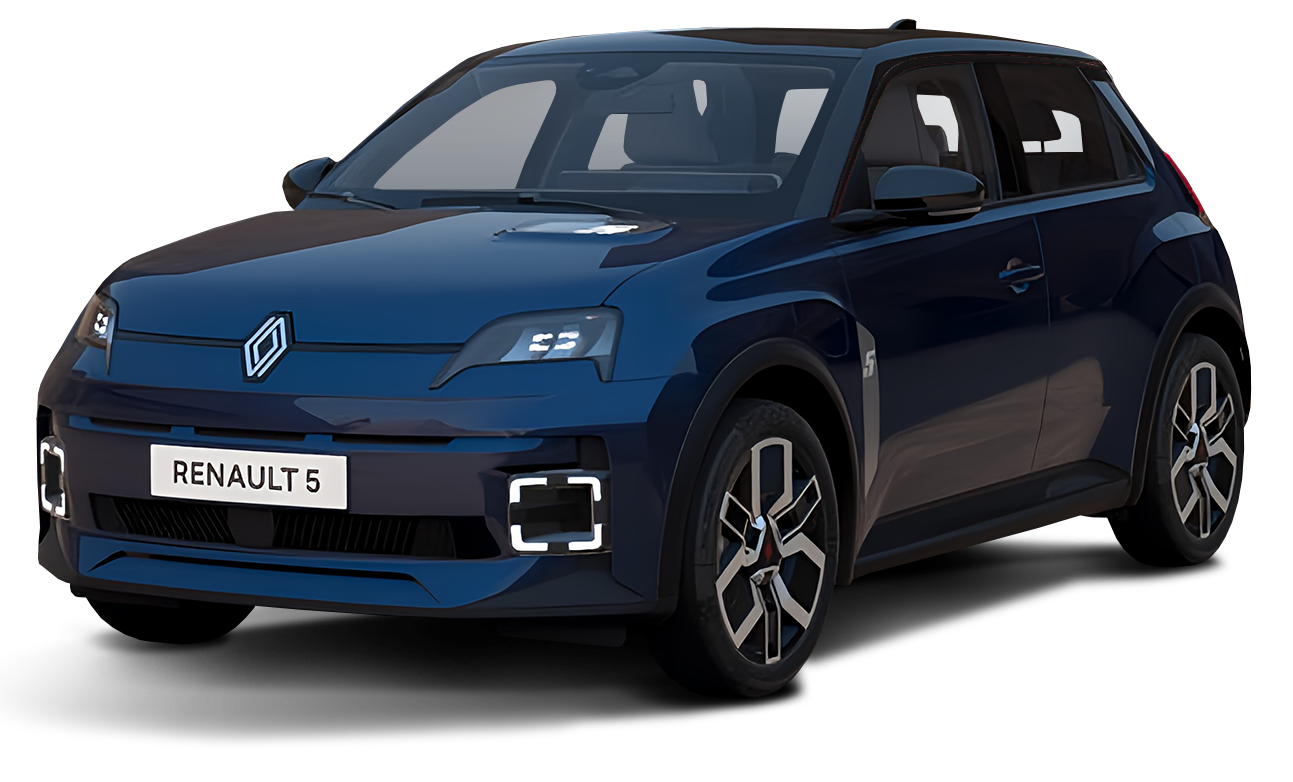
In February 2025, we will be using an all-electric vehicle for our journeys to your location. We anticipate that we will be able to cover over 80% of the car's annual charging needs with our own renewable solar energy. The "dynamic charging" function of the Loxone Wallbox ensures that we only charge with solar power. If necessary, this can be overridden via the Loxone app.
Update February 2026
Our conclusion after a year with an electric car, the Renault 5 E-Tech with a 52 kWh battery. We drove over 16,000 km, 60% of which was for business. Total consumption was 3 MWh. On average, we consumed approximately 18 kWh/100 km. In winter, this figure rises to 19.5 kWh/100 km, and in summer to 14.5 kWh/100 km. In pure city driving, consumption is below 10 kWh/100 km!
We power our vehicle 84% of the time with solar energy we generate ourselves. In summer and the shoulder seasons, we charge dynamically to ensure we only use solar power. In winter, we typically charge overnight at 2 to 4 kW. We only used public charging stations for 4% of our charging, usually at 11 kW. We only used a fast-charging station once, charging for 5 minutes with 90 kWh.
The all-electric Renault is faster, more economical, and quieter than our previous company car, the Skoda Fabia Greenline diesel, which served us well. Our initial worry about running out of power quickly dissipated. Thanks to its low weight and excellent road handling, it's incredibly fun to drive. Running costs are very low thanks to its "mere" 150 hp. Modern features like Google Maps navigation, pre-conditioning, and high-quality workmanship round out our positive overall impression and show us that all-electric driving doesn't mean sacrificing anything, but rather offers added value while simultaneously protecting the environment.
Speaking of loading times
That obviously depends heavily on your personal driving profile. I think it's overrated in many cases, though. If you're not driving long distances, you generally don't charge from below 10%. Even the 11 kW charging stations in Vienna are perfectly adequate, because I don't want the car to be fully charged after just a short time. What's important is a significantly denser network of charging points, but that's supposed to be coming in Vienna soon.
Even with your own wallbox, charging overnight at just a few kilowatts is usually sufficient; this protects both the battery and the power grid.